- Commonly 2.5% of all your qualifying wealth, once it has stayed at or above the nisab for a lunar year.
- Scholars differ on pensions, long-term debts and jewellery.
- Pick a scholar you trust and follow one approach.
The headline is easy: once your qualifying wealth has stayed at or above the nisab for a lunar year, zakat is 2.5% of all of it, not just the part above the threshold. Then real life arrives with a pension, a home finance plan and a fixed-term account you can’t touch.
The nisab
The nisab is a threshold, commonly set by reference to 87.48g of gold or 612.36g of silver. The silver figure is much lower in pounds, so more people will owe zakat on it. Check today’s value with your mosque or a zakat charity, and ask which standard they use.
What usually counts
- Cash, current accounts and savings, including profit you’ve earned.
- Gold and silver.
- Shares and funds, though there’s more than one way to value them.
- Money people owe you that you expect to get back.
Where scholars differ
- Pensions: whether zakat is due before you can access the money.
- Long-term debts: whether a whole home finance balance comes off, or only what’s due now.
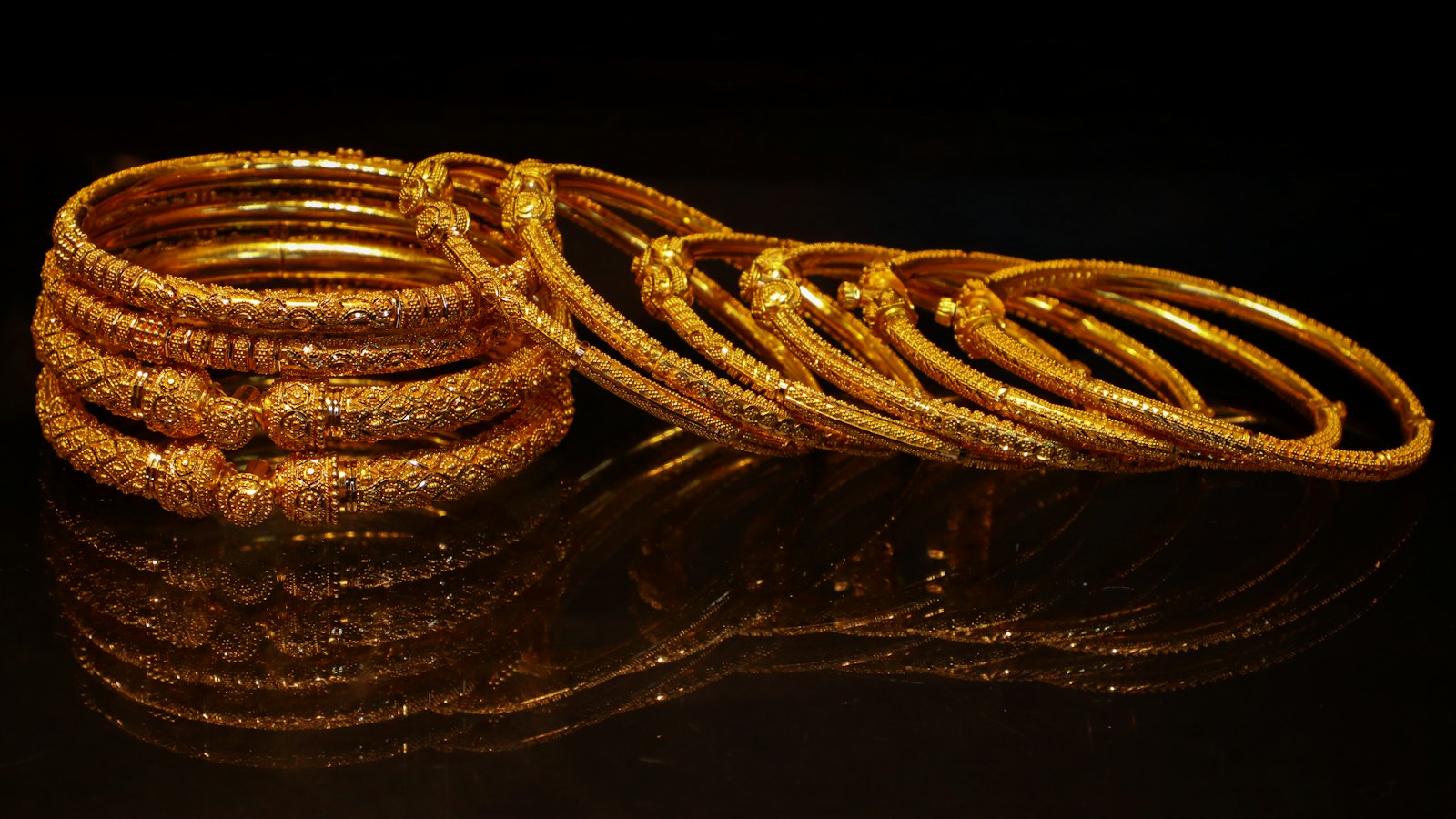
- Jewellery: whether what you wear counts.
I’m a lawyer, not a scholar, so I won’t pick a winner. Pick a qualified scholar or institution you trust, and follow one approach consistently.
Run your numbers
The zakat calculator does the sum once you’ve decided what counts. It won’t decide that part for you.
If you spot a mistake, tell us and we’ll fix it.
A general estimate at 2.5%. Scholars differ on pensions, investments and debts, so ask someone you trust if you’re unsure. This is not a ruling.